

Early car diagnostics can help you save you money by spotting issues before they turn into costly repairs. If you drive a Jaguar, this matters even more because modern vehicles have many linked systems, and a small problem in one place can lead to damage elsewhere. Regular attention also helps keep your vehicle safe, reliable, and running smoothly on the road.
Catching Problems Before They Get Worse
Early detection is one of the simplest ways to protect your Jaguar’s performance and reduce repair costs. Small problems, like a new noise, a rough idle, or slower starting, can feel minor today. However, if something is wrong and you keep driving, that small issue can lead to a bigger fault that takes more time and money to fix.
Most modern vehicles use an onboard computer (OBD-II) to watch key areas such as the engine, engine transmission controls, braking, steering, and emissions control. When the system notices a fault, it stores fault codes (also called error codes). A professional diagnostic check can read those codes and help technicians identify issues quickly. That means the process is more direct, and repairs can be planned efficiently instead of guessing.
When you deal with faults early, you reduce the chance that one failing part will harm other components. This is how diagnostic checks help prevent an expensive chain of problems.
What a Diagnostic Check Actually Does
A proper diagnostic test is more than plugging in a device and clearing a warning. The technician connects diagnostic tools to the car, reads the stored codes, and then checks live data from different sensors. This helps them understand what is happening across various components while the vehicle is running.

For example, a code might point to a sensor reading that looks wrong. The technician will then check the wiring, the sensor itself, and any related parts to find the real cause. This step is important because clearing codes without fixing the cause can hide the warning for a short time, then it can turn back on when the fault returns.
A clear explanation from the garage should include what the code means, what tests were done, and what repairs are needed now versus what can be watched over the next few weeks. This approach ensures the right fix is done the first time, which saves time and money.
Understanding Warning Lights and Warning Signs
Many drivers only act when a warning light appears on the dashboard, but there are often earlier warning signs. Changes in how the car feels, smells, or sounds can be a signal that a fault is building. If your check engine light comes on, it is best to book a diagnostic rather than waiting for “something goes wrong” on a busy day.
Warning lights are there for a reason, but they do not always mean the same thing. Sometimes the car is still safe to drive carefully to a garage. Other times, continuing to drive can cause damage fast. If you are unsure, contact a mechanic and explain what you are seeing. A quick diagnostic check can stop a small issue becoming a breakdown.
Preventing Expensive Engine and Transmission Repairs

The engine and transmission are among the most expensive parts to repair. That is why regular diagnostics are a smart investment. Many faults start small, such as a sensor reading drifting over time, a minor fluid leak, or a part wearing down. If these are missed for months or years, they can cause overheating, slipping, or poor shifting, and the repair costs can rise quickly.
Early vehicle diagnostics can highlight problems that are not obvious during a quick look under the bonnet. This allows mechanics to address the issue before it affects other systems. It also helps you plan repairs instead of being forced into expensive repairs at short notice.
Saving Fuel and Protecting Fuel Economy
Fuel costs add up, and poor fuel efficiency is often a sign that something needs attention. When the engine is not working as it should, it may burn more fuel to do the same job. That reduces fuel economy and can also lower engine performance.
Jaguar engine control systems use sensors to manage the fuel and air mixture. If sensors like oxygen sensors or airflow sensors start to fail, the mixture can go wrong. That can cause rough running, reduced power, and higher fuel use. A diagnostic check can spot these faults early, allowing the right repairs and helping you keep your car running efficiently in the long run.
Fixing these problems early can also protect the exhaust and emissions systems, which are costly when they fail.
Emissions Control and Avoiding Bigger Bills Later
Emissions problems can be easy to miss until a warning light appears or the car starts to run poorly. Early diagnostics help by checking how the emissions control system is behaving and whether the exhaust sensors are reading correctly.
As an example, a fault in the emissions system might be caused by a sensor, a leak, or a part that is not warming up properly. Addressing the cause early can prevent damage to other components and reduce the risk of more expensive repairs later. It also helps keep the vehicle cleaner and better for everyday driving.
Keeping Your Car Well Maintained and More Valuable
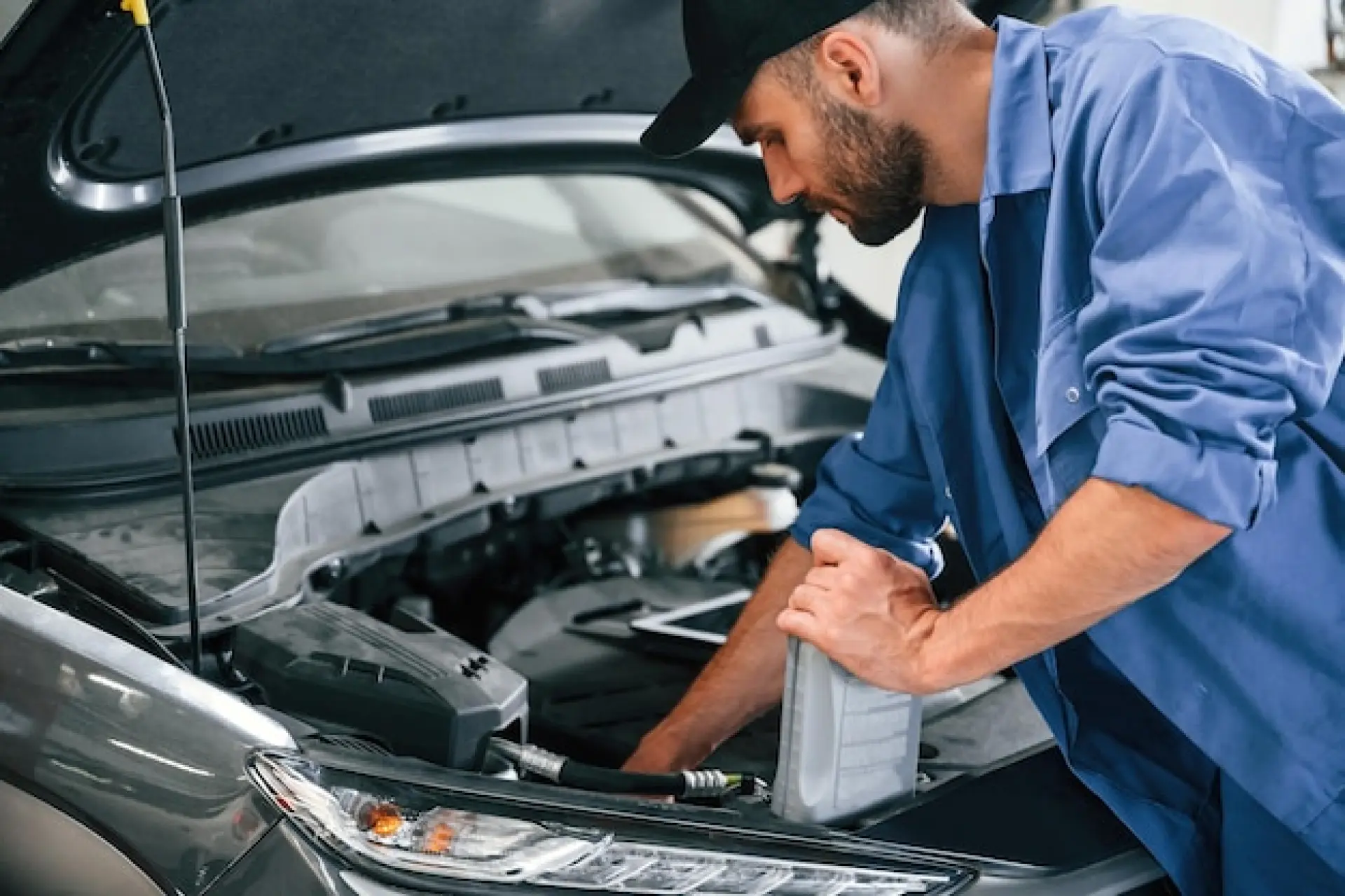
A well maintained car is usually cheaper to run and easier to sell. When you keep a service record, buyers can see you took care of the vehicle. This can improve resale value, especially for higher-end cars where buyers expect careful maintenance.
It helps to keep notes in your service book with the date of each diagnostic test and any repairs done. This makes the history clear, and it also helps the garage spot patterns if the same issue returns. Over the long term, good records support better decisions and can help you save money.
Choosing a Garage That Is Equipped for Modern Vehicles
Because modern vehicles are complex, you need a garage that is properly equipped. The right team will have advanced diagnostic tools, access to the correct data, and technicians who understand Jaguar systems.
A good garage will not rush the process. They should explain what they found, what it means, and what should be done next. If you feel unsure, ask them to share the fault codes and talk you through the plan. Clear communication helps you feel confident that you are paying for the right work, not unnecessary repairs.
When to Book a Diagnostic Check
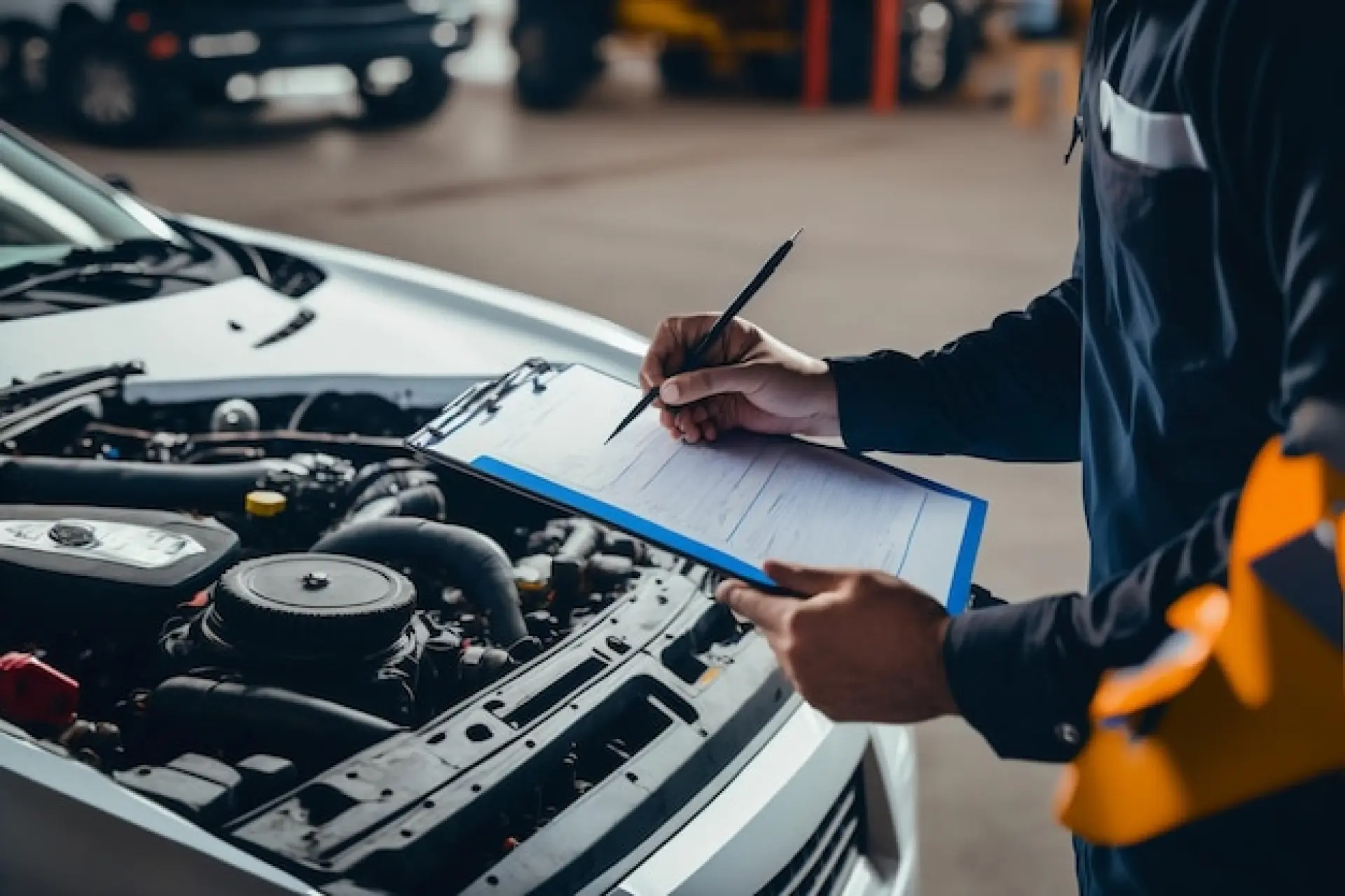
You do not have to wait for a warning light to act. Regular diagnostic checks can pick up problems early, especially before long trips, after buying a used car, or if you notice changes in performance. Booking a diagnostic is also sensible if you have had a recent repair and want to ensure everything is working as it should.
If you drive often, or keep the car for many years, regular diagnostics can save you money by reducing unexpected breakdowns and helping prevent costly repairs.
Saving Money with Early Car Diagnostics
Early car diagnostics help you identify issues while they are still small issues, giving you more control over repairs and reducing the risk of an unexpected breakdown.
A diagnostic check reads fault codes, checks sensors and systems, and supports the right fix before damage spreads to other components. In the long run, this supports safety, fuel economy, engine performance, and resale value, helping you keep your car well maintained and avoid expensive repairs.
At Nene Jag Specialists Ltd, we provide professional Jaguar diagnostic services to accurately identify and resolve engine, braking, steering, and electrical issues.
Our experts in Peterborough and Cambridgeshire ensure your Jaguar stays in peak condition and performs safely and reliably on the road.