

Signs your car needs a diagnostic check include warning lights, strange noises, starting problems, braking issues, poor fuel efficiency, unusual smells, or a loss of power. If you notice any of these warning signs, it is important to book your vehicle into a trusted garage today. A professional car diagnostic test can help identify what is wrong, prevent further repairs, and provide peace of mind before the problem gets worse.
The Engine Warning Light Is On
When the engine warning light turns on, it means the vehicle’s diagnostics system has detected a fault. This may be a minor issue, such as a loose or missing fuel cap, or it could be a more serious problem with the engine, fuel system, exhaust system, or sensors.
Modern Nene Jag Specialists Ltd vehicles are fitted with advanced onboard diagnostics systems that monitor the car’s performance, emissions, and key components while you are driving. When something is wrong, the system stores fault codes in the vehicle’s computer. A technician can read these fault codes using diagnostic equipment, which helps them understand the issue and pinpoint the cause more accurately.
You should not ignore a check engine light or other dashboard warning lights. A warning light may be the first sign that your car needs attention. For example, a faulty oxygen sensor can reduce fuel efficiency, increase emissions, and affect engine performance. If the issue is left too long, it may lead to more costly repairs.
A diagnostic check helps ensure your car is safe, reliable, and performing as it should. It can save time and money by finding the root cause early, rather than guessing what repairs are required.
Strange Noises From the Engine
Strange noises from the engine are often warning signs that something is wrong with your car. These noises may include knocking, ticking, grinding, rattling, or hissing. Each sound can point to a different fault, so it is important to get the vehicle checked before the problem becomes more serious.
A ticking or clicking sound may suggest low engine oil, worn components, or a problem with the valve system. A knocking noise can be linked to problems inside the engine, such as worn bearings or poor combustion. Rattling may be caused by loose parts, a worn timing chain, or an issue within the exhaust system. A hissing sound can mean there is a leak in the coolant, vacuum, or intake system.

A car diagnostic test gives technicians useful information from the vehicle’s onboard system. This helps them identify the cause of the noise and decide what work is needed to fix the problem. They may also inspect the engine by hand to check parts that may not show clearly through diagnostics alone.
Strange engine noises should never be dismissed as harmless. They are often your car’s way of asking for attention. Having the issue checked quickly can prevent further damage and help keep your vehicle safe on the road.
Problems When Starting the Car
Problems when starting the car can be a sign that your vehicle may need a diagnostic check. If the engine turns over slowly, does not start at all, or only starts from time to time, there may be an issue with the battery, starter motor, ignition system, fuel system, or electronic controls.
In many modern cars, several systems must work together before the engine can start. If one sensor, wire, or control unit is not working correctly, the starting process can fail. This can leave you stranded at home, at work, or at the roadside.
A diagnostic check allows technicians to read fault codes and review information from the vehicle’s computer. This can help them find out whether the problem is electrical, mechanical, or linked to the fuel system. They may also check the battery, alternator, ignition coils, fuel injectors, and other key components.
If you notice starting problems, it is best to book a diagnostic check as soon as possible. Fixing the issue early can improve reliability and help ensure your car starts when you need it.
Issues With Braking or Steering
Braking and steering problems need immediate attention because they affect how safe your vehicle is to drive. If you notice squealing or grinding when braking, a spongy brake pedal, reduced braking power, vibration, or difficulty steering, your car may need a diagnostic check.
Brake problems can be caused by worn brake pads, low brake fluid, damaged callipers, air in the brake lines, or faulty sensors. Many modern vehicles also use electronic braking systems, which means a dashboard warning light may appear if a fault is detected.

Steering issues can be caused by low fluid levels, wheel alignment problems, a failing power steering pump, or a fault in the electronic steering system. If the car feels harder to control, pulls to one side, or makes unusual noises when turning, it should be inspected before you continue driving.
A diagnostic check can help technicians identify electronic faults, sensor issues, and mechanical problems. This means they can carry out the correct repairs and help prevent a small issue from becoming a serious safety risk.
Poor Fuel Efficiency
A sudden drop in fuel efficiency is another sign your car needs a diagnostic check. If you are filling up more often than usual, there may be a problem with the fuel system, oxygen sensor, air filter, spark plugs, or engine management system.
Poor fuel efficiency can happen when the engine is working harder than it should. This may be caused by incorrect fuel mixture, blocked filters, worn parts, or sensors sending the wrong information to the vehicle’s computer. In some cases, the car may still drive normally, but it could be using more fuel and producing more emissions.
A regular diagnostic check can identify hidden issues before they become expensive repairs. It can also help improve performance and save money over time. If your car is using more fuel than usual, do not ignore it. It may be a warning sign that something is wrong.
Loss of Power While Driving
If your car feels slow, struggles to accelerate, or loses power while driving, it may need a diagnostic check. A loss of power can be caused by engine problems, fuel delivery issues, blocked filters, faulty sensors, or problems with the turbo system in vehicles that have one.
You may notice that the car takes longer to reach speed, feels less responsive, or has trouble climbing hills. In some cases, the vehicle may enter a reduced power mode to protect the engine from further damage. This is a clear sign that the car needs professional attention.
Car diagnostics can help pinpoint the issue by checking fault codes and live data from the engine and related systems. Once the cause is known, technicians can explain what repairs are required and offer the best way to fix the problem.
Unusual Smells
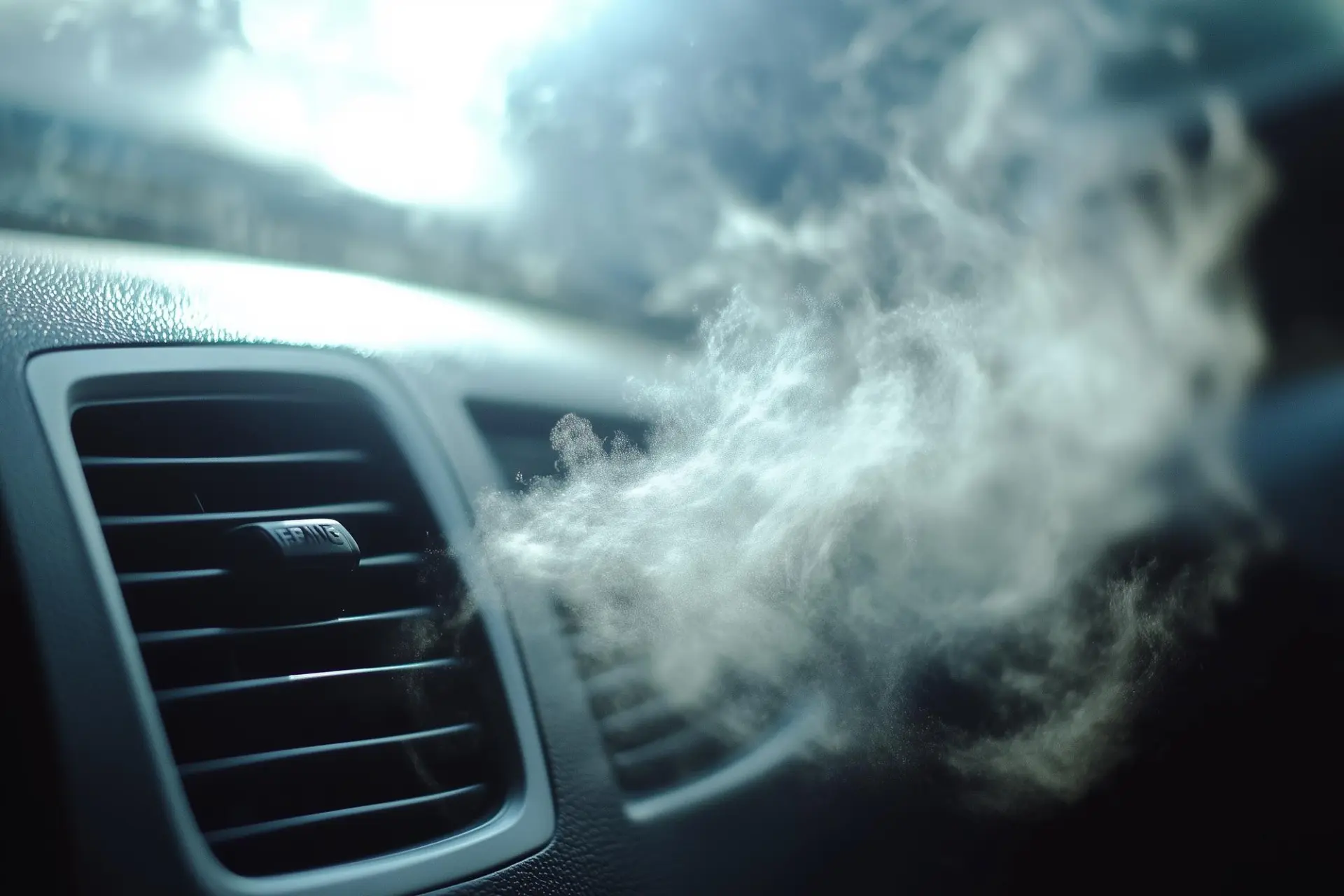
Unusual smells are another warning sign that your vehicle may need a diagnostic check. A burning smell could mean overheated brakes, an oil leak, electrical problems, or worn components. A fuel smell may point to a leak in the fuel system, which should be treated as urgent. A sweet smell can sometimes mean a coolant leak.
These smells should not be ignored, especially if they happen while driving or after you park. They can point to problems that may affect safety, engine health, or the risk of breakdown.
A garage can inspect the vehicle and use diagnostic tools to find the cause. This helps ensure your car is safe to drive and reduces the chance of further damage.
Dashboard Warning Lights Keep Appearing
Your dashboard is designed to alert you when something needs attention. Warning lights may relate to the engine, brakes, battery, oil pressure, coolant temperature, airbags, steering, or tyre pressure. Even if the car still seems to drive normally, a warning light means the vehicle has detected an issue.
Some lights require immediate action, while others mean you should book a service or diagnostic test soon. The important thing is not to guess. A car diagnostic test can read the fault codes behind the warning light and provide clear information about what is wrong with your car.
If warning lights keep appearing, flashing, or returning after they have been reset, this usually means the problem has not been fixed. A proper diagnostic check helps identify the real cause so the correct repairs can be made.
Regular Diagnostic Checks Can Prevent Bigger Problems
You do not always need to wait for a breakdown before booking car diagnostics. A regular diagnostic check can help find small issues early, before they affect safety, performance, or reliability.
This is especially useful before a long road journey, after buying a used car, or if you have noticed small changes in how the vehicle feels. It can also provide peace of mind if you rely on your car every day for work, family journeys, or travel.
Diagnostics can check many systems within the vehicle, including the engine, fuel system, emissions, brakes, steering, battery, and sensors. This gives technicians a better understanding of the car’s condition and helps them recommend any repairs or service work in the correct order.
Why You Should Book a Diagnostic Check Today
If you notice warning signs, strange noises, unusual smells, starting problems, poor fuel efficiency, or a loss of power, your car may need a diagnostic check. Acting early can help prevent damage, reduce repair costs, and keep your vehicle safe on the road.
A professional garage can use specialist diagnostic equipment to read fault codes, inspect key components, and identify the cause of the issue. This means customers can make informed decisions about the work required, rather than spending money on repairs that may not fix the problem.
For peace of mind, it is always better to book a diagnostic check as soon as you notice a sign that something is wrong. You can visit our website in your browser to find more information, book a service, and ensure your car is checked by experienced professionals.
At Nene Jag Specialists Ltd, we provide professional Jaguar diagnostic services to accurately identify and resolve engine, braking, steering, and electrical issues. Our experts in Peterborough and Cambridgeshire ensure your Jaguar stays in peak condition and performs safely and reliably on the road.